Frequently Asked Questions
How much sugar in a soda can?
The sugar content in a standard soda can typically ranges from 35 to 40 grams, depending on the brand and flavor. This amount can vary, so it's always best to check the label for specific details.
How much sugar in can of soda?
The sugar content in a can of soda varies by brand and flavor, but typically, a standard 12-ounce can contains about 39 grams of sugar, which is equivalent to approximately 10 teaspoons.
What is the sugar content in soda cans?
The sugar content in soda cans varies by brand and flavor. Typically, a standard 12-ounce can contains about 39 grams of sugar, which is roughly 10 teaspoons.
How does sugar affect soda taste?
The impact of sugar on soda taste is significant: it enhances sweetness, balances acidity, and contributes to a fuller flavor profile, making the beverage more enjoyable and refreshing.
Are there low-sugar soda options available?
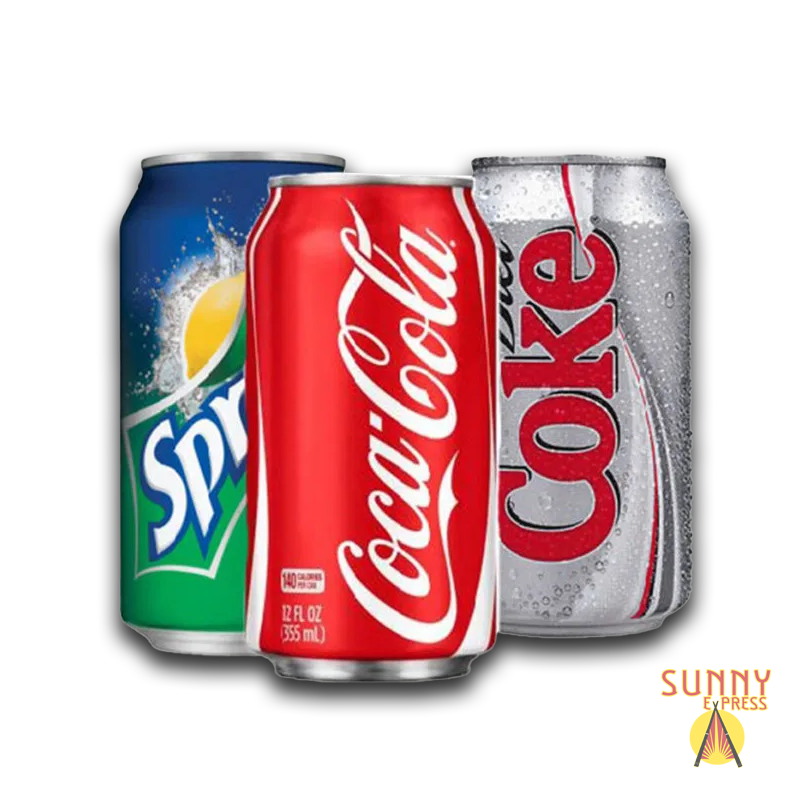
Low-sugar soda options are available at Sunny Express Gourmet Fast Food. We offer beverages like Diet Coke and other flavored sodas with reduced sugar content to cater to health-conscious customers.
What types of soda have the most sugar?
The types of soda that have the most sugar typically include regular versions of popular brands like Coke, Pepsi, and Mountain Dew, which can contain up to 40 grams of sugar per 12-ounce serving.
How is sugar measured in soda cans?
The measurement of sugar in soda cans is expressed in grams per serving, typically found on the nutrition label. This indicates the total sugar content in each can, helping consumers understand their sugar intake.
What are the health effects of soda sugar?
The health effects of soda sugar include increased risk of obesity, diabetes, and heart disease due to high calorie content and rapid spikes in blood sugar levels. Consuming soda regularly can also lead to dental problems and decreased overall health.
How does sugar in soda compare to juice?
The comparison of sugar in soda to juice reveals that both can be high in sugar, but soda typically contains added sugars, while juice may contain natural sugars. Juice often offers vitamins and nutrients, making it a healthier choice in moderation.
What is the average sugar in a soda can?
The average sugar content in a soda can is typically around 39 grams, which can vary slightly depending on the brand and flavor.
How can I reduce sugar intake from soda?
Reducing sugar intake from soda can be achieved by choosing diet or zero-calorie options, limiting portion sizes, or diluting soda with water or ice. Additionally, consider gradually replacing soda with healthier alternatives like sparkling water or herbal teas.
What are the alternatives to sugary sodas?
The alternatives to sugary sodas include flavored sparkling water, herbal teas, and diet sodas, which provide refreshing options without the added sugars. These choices can enhance your meal while keeping your beverage selection healthier.
How does sugar impact sodas calorie count?
The impact of sugar on a soda's calorie count is significant: higher sugar content directly increases the total calories in the beverage, as each gram of sugar adds approximately four calories.
What is the difference between regular and diet soda?
The difference between regular and diet soda lies primarily in their ingredients. Regular soda contains sugar, while diet soda is sweetened with artificial sweeteners and has little to no calories.
How much sugar is in a can of cola?
The sugar content in a can of cola is typically around 39 grams. This amount can vary slightly depending on the brand and specific formulation.
What flavors of soda have the highest sugar?
The flavors of soda with the highest sugar content typically include regular versions of popular brands like Coke, Mountain Dew, and Dr. Pepper. These sodas can contain over 40 grams of sugar per 12-ounce serving.
How does sugar content vary by soda brand?
The sugar content in sodas varies significantly by brand. For example, classic brands like Coke typically contain around 39 grams of sugar per 12-ounce can, while diet versions have little to no sugar, and other brands may offer varying levels depending on their formulations.
What is the recommended daily sugar intake?
The recommended daily sugar intake is generally up to 10% of total daily calories, which equates to about 50 grams (or 12 teaspoons) for an average adult on a 2,000-calorie diet.
How can I find sugar content on soda labels?
Finding sugar content on soda labels is straightforward: simply look for the "Total Sugars" section on the nutrition facts panel, where the amount of sugar per serving is clearly listed.
What are the effects of consuming too much soda?
The effects of consuming too much soda include increased risk of obesity, diabetes, and dental problems due to high sugar content, as well as potential caffeine-related issues like anxiety and insomnia. Moderation is key for a healthier lifestyle.
How does sugar in soda affect children?
The effects of sugar in soda on children can be significant. High sugar intake may lead to weight gain, increased risk of obesity, and dental problems, as well as potential behavioral issues due to energy spikes and crashes.
What are the benefits of sugar-free sodas?
The benefits of sugar-free sodas include fewer calories and reduced sugar intake, making them a healthier alternative for those looking to enjoy a fizzy drink without the added sugars that can contribute to weight gain and other health issues.
How does carbonation affect sugar perception in soda?
Carbonation affects sugar perception in soda by enhancing the overall flavor experience. The bubbles create a tingling sensation that can mask sweetness, making the soda taste less sugary than it actually is, thus influencing consumer preference.
What is the sugar content in energy drinks?
The sugar content in energy drinks varies widely by brand and flavor. Typically, they contain between 20 to 30 grams of sugar per serving, which can contribute to a significant amount of daily sugar intake.
How much sugar is in flavored sparkling water?
The sugar content in flavored sparkling water varies by brand and flavor. Generally, many options contain zero to a few grams of sugar per serving, making them a low-calorie alternative to sugary beverages.
What are the long-term effects of soda sugar?
The long-term effects of soda sugar include increased risk of obesity, type 2 diabetes, and heart disease, as well as potential dental issues and metabolic disorders due to excessive calorie intake and rapid spikes in blood sugar levels.
How does sugar in soda contribute to obesity?
The contribution of sugar in soda to obesity is significant. High sugar content leads to excess calorie intake, which, when not burned off, can result in weight gain and increased body fat over time.
What is the sugar content in diet sodas?
The sugar content in diet sodas is zero grams. These beverages are sweetened with artificial sweeteners instead of sugar, making them a popular choice for those looking to reduce their sugar intake.
How can I make homemade soda with less sugar?
Making homemade soda with less sugar involves using natural sweeteners like stevia or agave syrup, or diluting fruit juices with sparkling water to achieve the desired flavor without the excess sugar.
What are the most popular sodas and their sugar content?
The most popular sodas at Sunny Express Gourmet Fast Food include Coke, Diet Coke, and Sprite. Coke contains approximately 39 grams of sugar per 12 oz can, while Diet Coke has no sugar, and Sprite contains about 38 grams of sugar.