
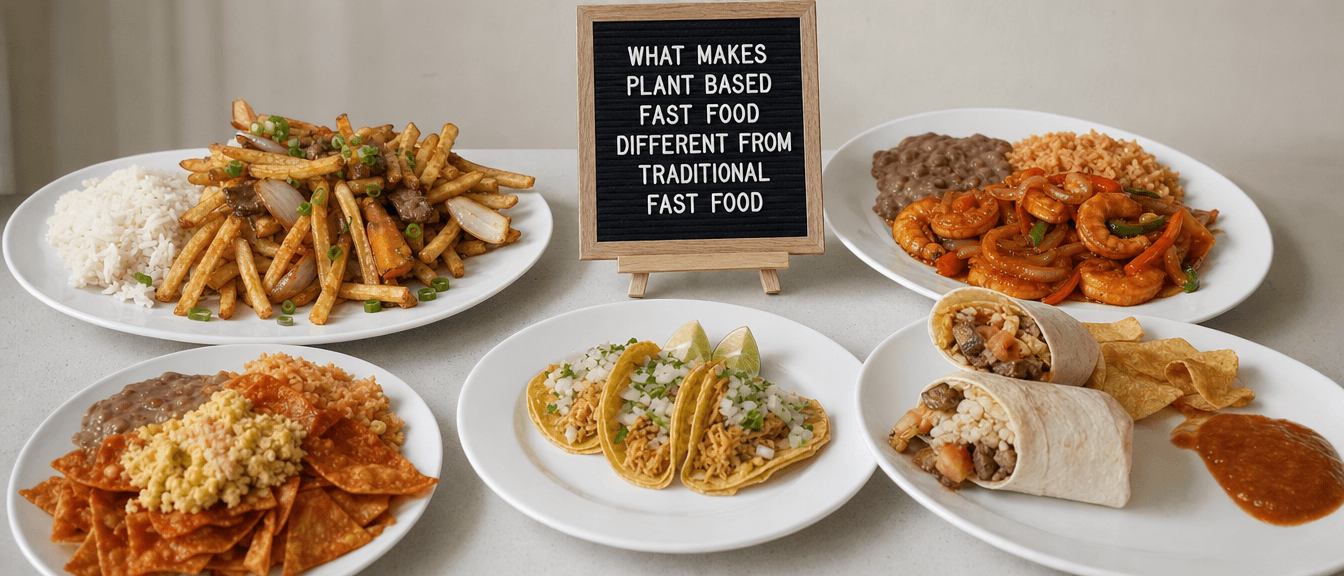
Plant-based fast food swaps animal products for ingredients like jackfruit, plant proteins, and vegetables, built to deliver familiar flavors and textures without the meat. In Compton, Sunny Express Gourmet Fast Food serves Mexican and Chinese inspired classics, from chow mein to taquitos, with both plant-based and traditional dishes on the same menu.
Key Takeaways
- Plant based fast food replaces meat with ingredients like jackfruit, soy protein, legumes, and wheat gluten.
- Sauces, seasonings, and marinades carry much of the flavor, giving plant-based dishes the same bold taste as their traditional counterparts.
- Vegetables and plant proteins are prepared to mimic familiar textures like pulled pork, chicken strips, or ground beef.
- Sunny Express offers both plant-based and traditional Mexican and Chinese inspired dishes on the same Compton menu.
What makes plant based fast food different?
Plant based fast food swaps animal products for plant proteins, vegetables, grains, and savory sauces. The goal stays the same: familiar flavors and textures, just built differently. Guests find favorites reimagined with plant-based ingredients that deliver the comfort of classic fast food in a new form.
Traditional fast food leans mainly on meat and dairy for flavor and texture. Plant based fast food takes a different path, relying on vegetables, legumes, and plant proteins along with bold sauces and seasonings to build the same satisfying bite. The difference shows up less in taste and more in what actually goes into the dish.
What ingredients replace meat in vegan fast food?
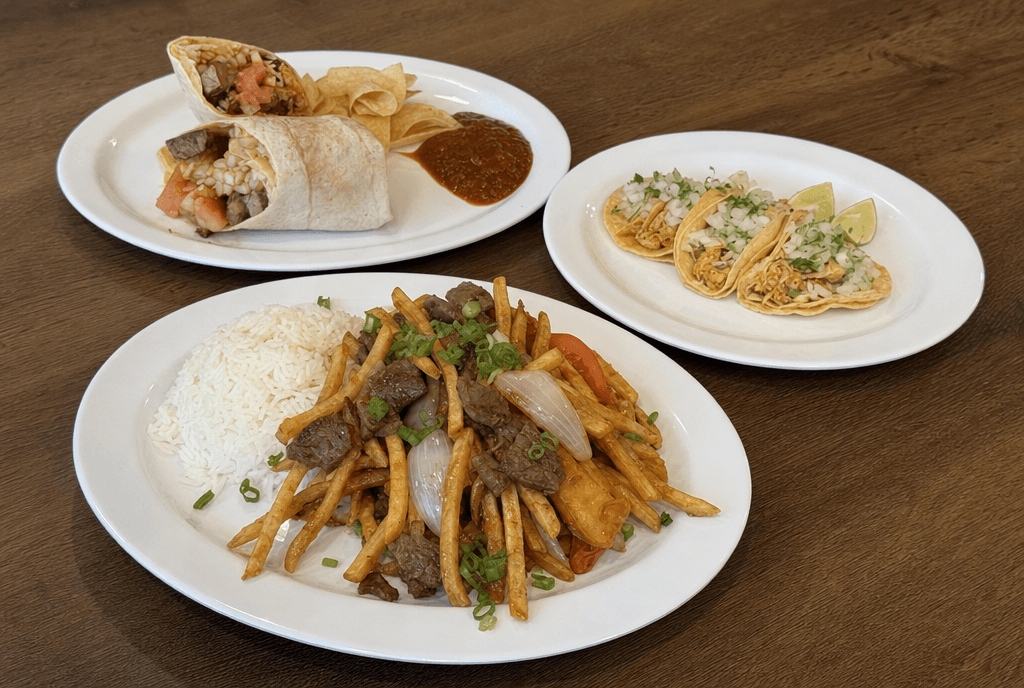
Jackfruit, soy protein, legumes, and wheat gluten do the heavy lifting. These ingredients absorb marinades and seasonings well, picking up smoky, savory, or spicy notes depending on the dish. The result mimics pulled pork, chicken strips, or ground beef in texture and bite.
How do sauces and seasonings change the dish?
Sauces and seasonings do a lot of the work in plant based fast food. A chili-garlic glaze, a smoky adobo, or a savory soy-based sauce gives plant proteins and vegetables the same punch of flavor diners expect from a traditional dish. Dishes at Sunny Express Gourmet Fast Food lean on these layered flavors to bring Mexican and Chinese inspired classics like tacos, taquitos, and chow mein to the table, whether a guest orders the plant-based version or not.
How does plant based fast food fit familiar meal formats?
Plant based fast food keeps the format diners already know: tacos, taquitos, chow mein, fried rice, and other quick-service staples. Swapping the protein or the sauce doesn’t change the shape of the meal. It’s still handheld, still fast, and still built for a lunch rush or a quick dinner.
What role do vegetables and textures play?
Vegetables carry a lot of the work in plant based fast food. Shredded cabbage, peppers, onions, and leafy greens add crunch and contrast, while jackfruit or seasoned soy proteins fill in for the chew of meat. Combined with rice, tortillas, or noodles, the result reads as a complete, familiar dish rather than a substitute.
How does menu variety set plant based fast food apart?
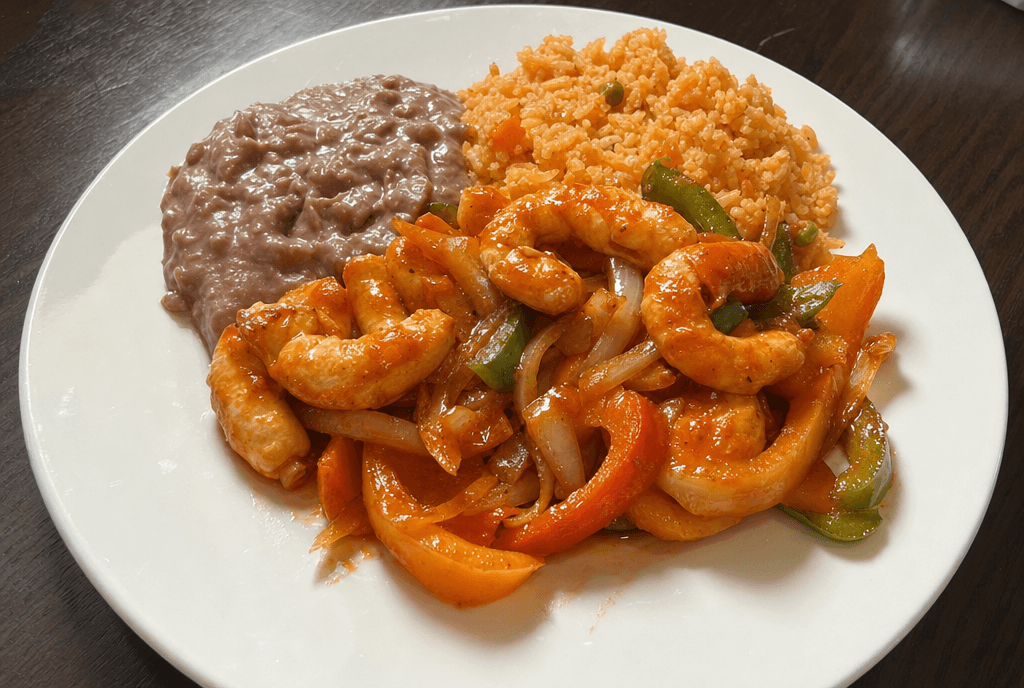
Menu variety is one of the clearest differences. Instead of a single veggie item swapped into a meat-focused menu, plant based fast food increasingly spans entire cuisines, Mexican, Chinese, and beyond, each with its own proteins, sauces, and sides. For guests at Sunny Express Gourmet Fast Food, that means access to two separate cuisines, each offering a plant-based route through dishes like jackfruit tacos or vegetable chow mein alongside the kitchen’s traditional options. Finding a filling plant-based lunch often comes down to variety: having enough different proteins, sauces, and formats on one menu to actually choose from.
Where can I find plant based food in Compton?
Sunny Express Gourmet Fast Food brings vegan Mexican and Chinese fast food to Compton alongside traditional dishes on the same menu. The plant-based side spans chow mein, fried rice plates, tacos, taquitos, and jackfruit-based specialties, all built without animal products, while the rest of the menu keeps the classic versions guests already know.
What makes the plant-based menu here different?
The kitchen builds its plant-based dishes by reworking familiar Mexican and Chinese inspired recipes with plant proteins and vegetables, rather than stripping a dish down to something plain. Guests get the same chow mein, tacos, or fried rice they would expect, just made with jackfruit, soy protein, or vegetables in place of meat.
- Chow mein and fried rice plates
- Tacos and taquitos
- Jackfruit-based specialties
- Carrot and chocolate cake
Who is the plant-based menu for?
The plant-based options suit vegans, flexitarians, and anyone curious about trying jackfruit or soy protein in a familiar format, while the traditional Mexican and Chinese inspired dishes stay on the same menu for guests who want them. Diners exploring best vegan food in Compton find a menu that puts both styles side by side rather than asking anyone to pick a lane.
FAQ
What ingredients replace meat in plant based fast food?
- Jackfruit, soy protein, legumes, and wheat gluten absorb marinades and seasonings to mimic pulled pork, chicken strips, or ground beef in texture and bite.
Does plant based fast food taste different from traditional fast food?
- Not dramatically. Sauces, seasonings, and marinades carry most of the flavor, so a well-seasoned plant protein can taste close to its traditional counterpart.
Is a plant based menu the same as an all-vegan menu?
- No. Many fast food kitchens, including Sunny Express Gourmet Fast Food, offer plant-based dishes alongside traditional ones, so guests can choose either on the same visit.
Conclusion
So here’s the real takeaway: plant based fast food isn’t a different category of food, it’s the same familiar formats and flavors built with different ingredients. Jackfruit, soy protein, and vegetables step in for meat, while sauces and seasonings do the work of tying a dish together. Your next move? Try a plant-based version of a dish you already love, tacos, chow mein, whatever sounds good, and see how close it lands to the original. That’s where the difference becomes easy to taste for yourself.