
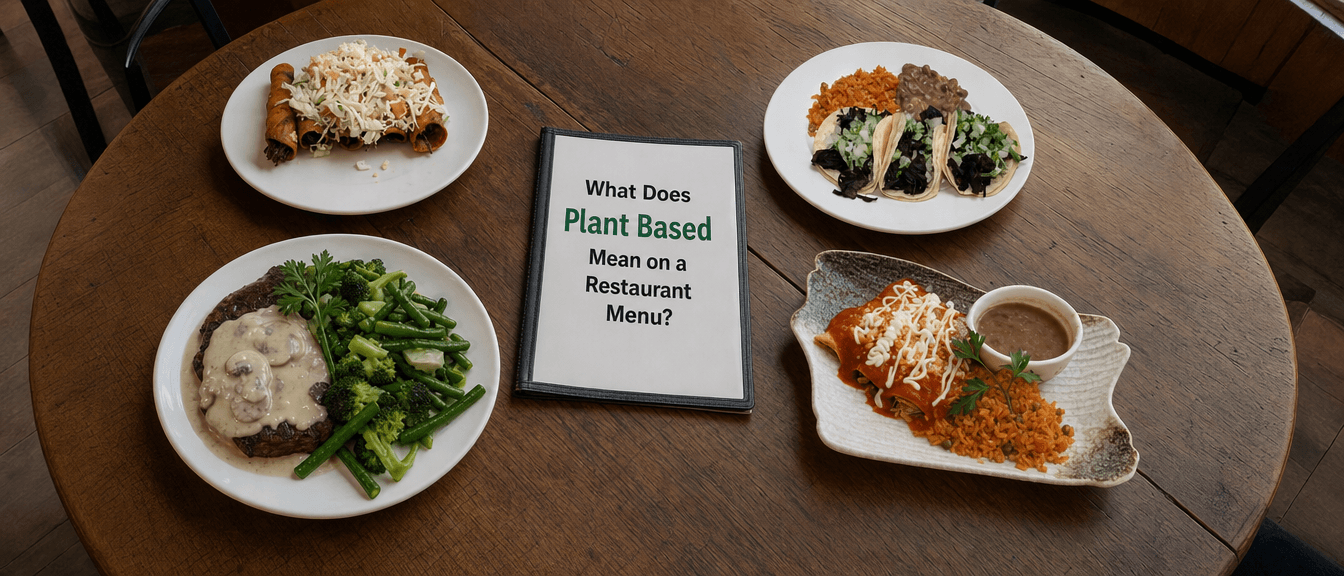
“Plant-based” on a restaurant menu generally means a dish is built around foods derived from plants, such as vegetables, grains, legumes, and plant proteins. It does not automatically mean the dish is free of every animal ingredient; that stricter promise belongs to the word “vegan,” which specifically excludes animal-derived ingredients. Sunny Express GFF Vegan Mexican Chinese, a Compton restaurant serving Mexican and Chinese inspired food, offers plant-based dishes alongside traditional, non-vegan options, so diners with allergies or strict dietary needs should always check individual menu items before ordering.
Key Takeaways
- “Plant-based” describes a dish built around plant ingredients; it does not automatically mean the dish contains zero animal products.
- “Vegan” is the stricter term, meaning a dish is completely free of animal-derived ingredients.
- Sunny Express is a Compton restaurant offering a mix of plant-based and traditional non-vegan Mexican and Chinese inspired dishes.
- Diners with allergies or strict dietary needs should confirm ingredients for a specific item rather than assume the whole menu fits one category.
What does plant based mean on a menu?
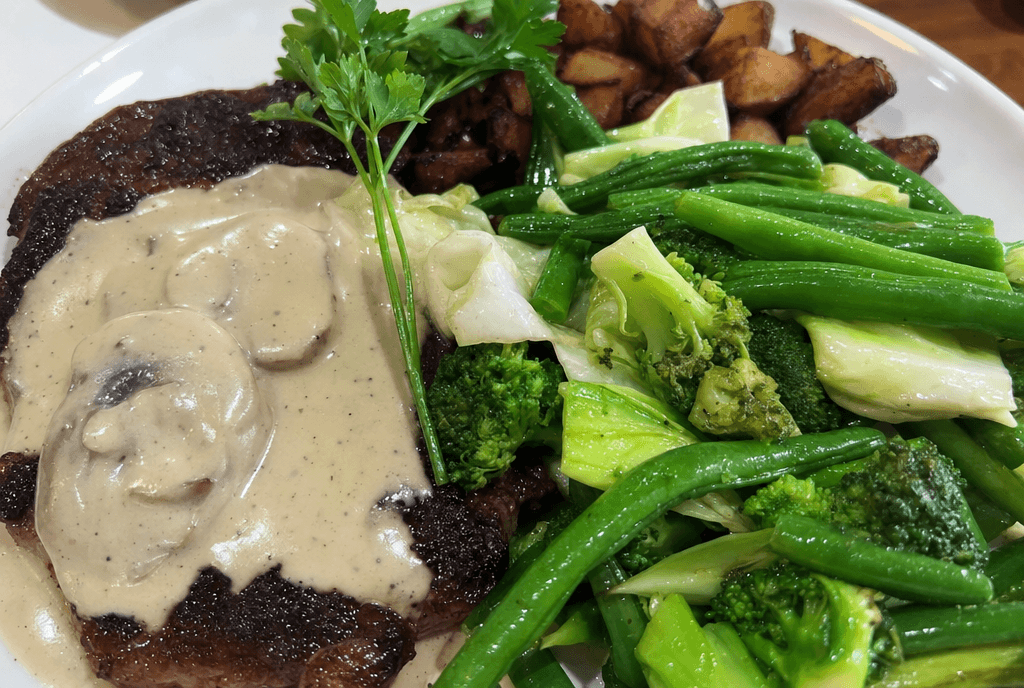
A plant based menu signals dishes built around vegetables, grains, legumes, and fruits, with plant proteins standing in for meat in many dishes. These items may stand alone or sit on the same menu as traditional, non-vegan choices. Diners scanning a plant based menu shouldn’t assume every ingredient, like a sauce, garnish, or shared cooking surface, is automatically free of animal products.
The term describes a dietary approach, not a full lifestyle commitment. The Institute of Culinary Education notes that “plant-based” focuses specifically on foods derived from plants. Veganism goes further, eliminating all animal-based products and by-products from a dish, down to smaller ingredients like dairy-based thickeners or egg washes. A plant based label tells diners what a dish emphasizes, not necessarily everything it excludes.
How is plant-based different from vegan on a menu?
A vegan dish removes all animal ingredients entirely, including dairy, eggs, honey, and animal-based broths or sauces. A plant-based dish prioritizes vegetables and plant proteins but may still include small amounts of animal ingredients, or be prepared in a kitchen that also serves non-vegan dishes. Diners who need a dish to be fully vegan should ask staff directly rather than assume “plant-based” guarantees it. A flexitarian exploring meatless meals can feel comfortable with a plant-based label, while someone avoiding all animal products should confirm the specific dish first.
Why do restaurants label items plant-based instead of vegan?
Labels shape perception. “Plant-based” sounds inclusive and approachable because it describes what a dish is built around rather than what it strictly excludes. “Vegan” is a narrower, more specific promise: no animal-derived ingredients at all. Restaurants often use “plant-based” for dishes that lean heavily on vegetables and plant proteins, even when the kitchen also serves traditional, non-vegan items. The wording invites diners to try new dishes without implying the whole restaurant follows one dietary category.
How do you spot a vegan friendly restaurant?
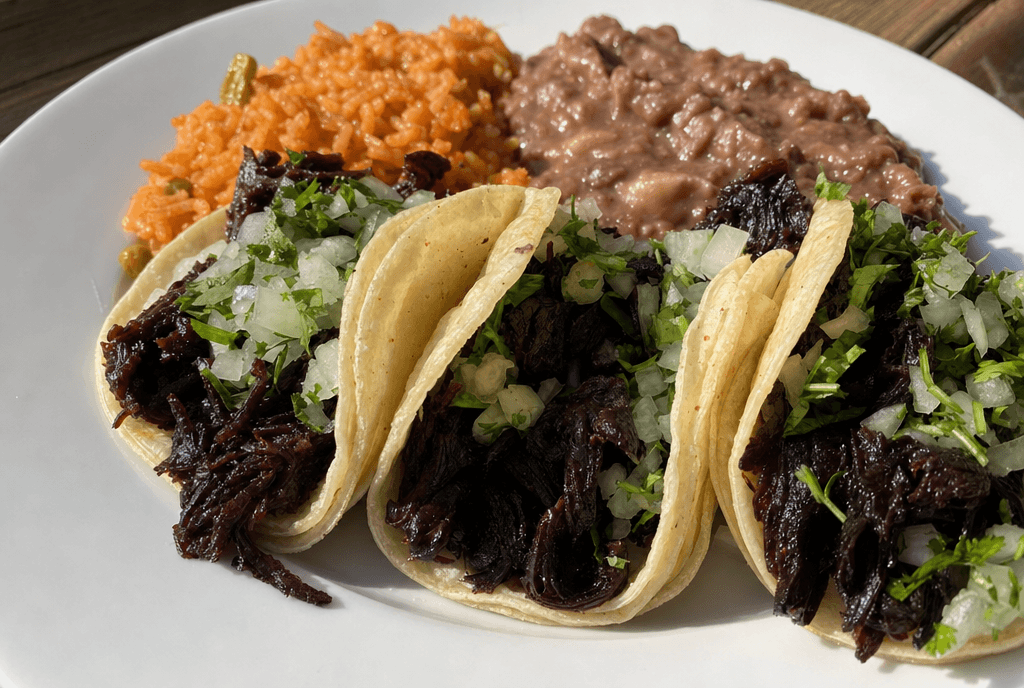
A restaurant earns a vegan-friendly reputation through clear menu labels and transparent ingredient information, not simply by using the word “vegan” in its name. Diners find confidence when a menu states plainly which dishes are vegan, which are plant-based, and which include animal ingredients.
Clear menu labeling and allergen-friendly menus rank among the top industry trends in the National Restaurant Association’s 2026 What’s Hot Culinary Forecast. That reflects a growing expectation: guests want to know exactly what’s on the plate before they order. A restaurant that labels its menu clearly, whether it serves an entirely vegan menu or a mix of plant-based and traditional dishes, shows respect for diners’ dietary needs.
What menu clues reveal a truly plant-focused kitchen?
Look beyond a single salad option. A menu with a real plant-based focus usually dedicates a meaningful section to vegetable-forward proteins, grain bowls, or dairy-free desserts, rather than treating them as a single substitution. A dedicated plant-based section doesn’t necessarily mean the whole kitchen is vegan; many restaurants serve plant-based dishes right alongside traditional, non-vegan menu items.
The International Food Information Council’s 2024 Food and Health Survey found that U.S. consumers actively try to eat more plant-based foods. Restaurants respond by designing entire sections around plant-based choices, making them easy to find rather than burying them in fine print.
How does a restaurant’s menu confirm what it actually offers?
Sunny Express Gourmet Fast Food is a Compton, California restaurant serving Mexican and Chinese inspired food, with a menu that includes plant-based dishes alongside traditional, non-vegan options. Diners who want to confirm whether a specific item is vegan, plant-based, or made with animal ingredients should check that dish’s menu description or ask staff directly, rather than assume based on the restaurant’s name or general reputation.
Why choose a plant based restaurant in Compton?
For diners in Compton looking for plant-based choices without giving up familiar comfort food, Sunny Express Gourmet Fast Food offers Mexican and Chinese inspired dishes that include both plant-based options and traditional, non-vegan choices on the same menu. That mix lets a table of diners with different preferences order from one place.
What makes a plant based menu different from standard vegan options?
A plant-based menu focuses on whole-food ingredients and vegetable-forward cooking, without claiming to eliminate every animal ingredient from the kitchen. At Sunny Express Gourmet Fast Food, that means dishes like chow mein, fried rice plates, tacos, taquitos, and jackfruit-based specialties sit alongside traditional, non-vegan Mexican and Chinese inspired items. Diners who need a dish to be fully vegan, or who have allergies or strict dietary needs, should check the ingredients for that specific item rather than assume the whole menu is prepared the same way.
Which dishes stand out at a vegan friendly restaurant in Compton?
Sunny Express Gourmet Fast Food serves two cuisines under one roof, with plant-based dishes sitting alongside traditional, non-vegan Mexican and Chinese inspired options. Guests can choose between plant-based Chinese-style dishes and jackfruit tacos, or stick with classic, non-vegan favorites. The variety shows that plant-based food can hold its own next to traditional takeout, without requiring the whole menu to follow one dietary rule. Diners looking for plant-based food in Compton can find real variety at Sunny Express, as long as they check individual menu items for ingredients that matter to them.
FAQ
What’s the difference between “plant-based” and “vegan” on a menu?
- “Plant-based” describes a dish built mainly from vegetables, grains, legumes, and plant proteins, but it doesn’t guarantee the dish is free of every animal ingredient. “Vegan” is more specific: it means a dish contains no animal-derived ingredients at all, including dairy, eggs, and honey.
How can I check if a specific plant-based dish is actually vegan?
- Read the menu description for that dish or ask the restaurant directly. A “plant-based” label tells you the dish emphasizes plant ingredients, but the actual ingredient list, not the label, confirms whether an item is fully vegan.
Can a restaurant serve both plant-based and non-vegan dishes on the same menu?
- Yes. Many restaurants, including Sunny Express, offer plant-based dishes alongside traditional, non-vegan options. That mix lets diners with different preferences order from the same menu, as long as they check ingredients for the specific dish they want.
Where can I find plant-based menu options in Compton?
- Sunny Express Gourmet Fast Food, located in Compton, California, serves Mexican and Chinese inspired dishes that include plant-based options alongside traditional, non-vegan choices.
Conclusion
So here’s the bottom line: “plant-based” on a menu tells you a dish is built around vegetables, grains, legumes, and plant proteins, but it doesn’t automatically mean every ingredient is free of animal products. That stricter assurance belongs to “vegan.” Whether you’re vegan, flexitarian, or just curious about eating more plants, it pays to check the specific dish, since many restaurants, including those with a “plant-based” label, serve both plant-based and traditional non-vegan options side by side. Next time you’re browsing a menu, use what you’ve learned here to ask the right questions and order with confidence.